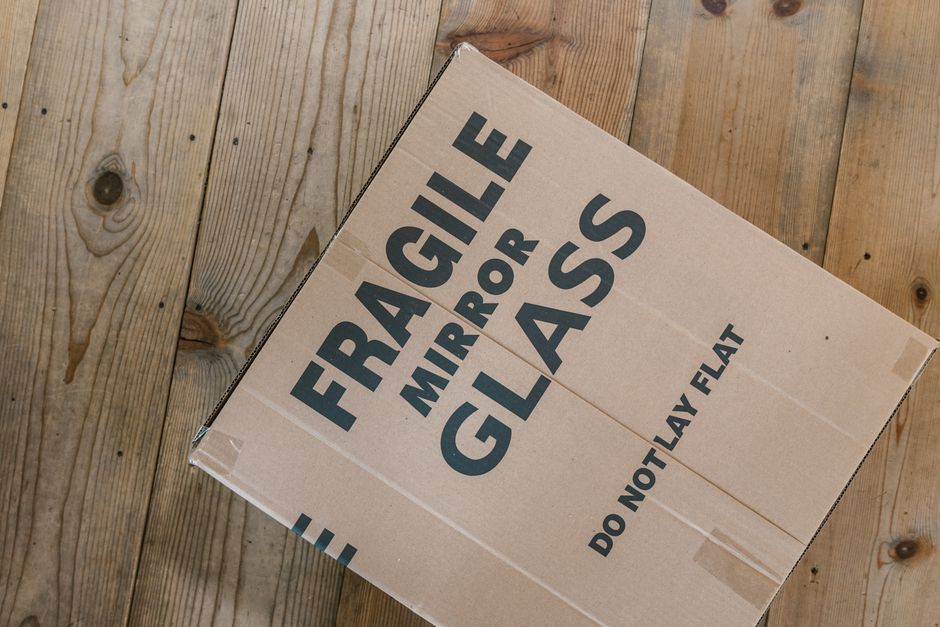
Eltham Palace House Removals with Fragile Item Protection: A Practical Guide for Safer Moving Day
Moving home near Eltham Palace can be straightforward on paper and a little chaotic in real life. Tight driveways, awkward stair turns, antiques, glassware, mirrors, lamps, picture frames, and the usual "where did I put the kettle?" moment can all pile up fast. That is why Eltham Palace house removals with fragile item protection deserves proper planning, not a last-minute scramble with a roll of cheap tape.
This guide breaks down how fragile-item moving should work, what good protection actually looks like, and how to reduce risk without making the day feel overcomplicated. You will also find a checklist, a comparison table, and practical decisions that help whether you are moving a few streets away or across south-east London. Let's make the whole thing feel less daunting, shall we?
- Why it matters
- How it works
- Key benefits
- Who this is for
- Step-by-step guidance
- Expert tips
- Common mistakes
- Tools and resources
- Law, compliance and best practice
- Options and comparison table
- Real-world example
- Practical checklist
- Conclusion
- Frequently asked questions
Why Eltham Palace house removals with fragile item protection Matters
Fragile items are not just "breakable things". They are often the items that carry the most emotional or financial weight: the wedding glasses, the family mirror, the inherited china, the record collection, the handmade lamp, the framed art you've had forever. One bump in a hallway or one poorly stacked box can turn a normal move into a frustrating cleanup job.
In the Eltham Palace area, that risk can be amplified by older homes, narrow internal routes, parking pressure, and the everyday reality of moving larger furniture through smaller gaps. The closer you get to moving day, the more you realise that the problem is rarely the van itself. It is the handling in between: from shelf to packing table, from front room to doorway, from doorway to vehicle, and then back again at the other end.
Proper fragile item protection matters because it reduces the chance of damage at every step. It also makes the move calmer. That sounds small, but it is not. A calmer move means clearer decisions, less rushing, and fewer "just put it there for now" moments. Those are the moments things get chipped.
If you are moving a whole household, a combined approach often works best. Many people pair house removals with careful packing support, especially when there are antiques, glass shelving, ceramics, or electronics involved. If your move involves a flat with awkward access, it can also help to look at flat removals support so the team can plan around stairways and tight turns from the start.
Expert summary: fragile-item protection is not just about wrapping objects well. It is about planning the whole journey so the item never becomes exposed to avoidable knocks, pressure, damp, or rushed handling.
How Eltham Palace house removals with fragile item protection Works
A solid fragile-item move is usually a sequence, not a single action. First, the items are identified. Then they are packed with the right materials. Next, they are labelled and loaded in a controlled order. Finally, they are delivered and unpacked with care. Simple idea. Much better results.
In practice, a good removals team will start by separating fragile items from general household goods. That might include glassware, crockery, ornaments, framed pictures, mirrors, chandeliers, small appliances, computers, and anything with delicate finishes. It is worth being a bit fussy here, because mixed boxes are where damage often starts.
Protection normally includes layered wrapping, sturdy double-walled boxes for weight-bearing items, corner protection for frames or mirrors, and void filling so items cannot shift around inside the box. For items with surfaces that scratch easily, soft paper or clean cushioning materials are used before outer wrapping is added. In a proper move, the item should not be able to rattle.
Load order matters too. Heavier, sturdier items should sit lower and more securely. Fragile cartons should not be used as casual filler to close a gap in the van. That is a very common shortcut. It looks tidy for five minutes and then becomes a problem later on, usually halfway through the drive when the road surface gets rough and everything starts nudging.
If you want one practical service that often supports fragile-item moving very well, take a look at packing services. It is especially useful when you have limited time, mobility concerns, or simply do not want to spend three evenings wrapping plates while standing over the kitchen counter.
Key Benefits and Practical Advantages
There are obvious benefits, like fewer breakages. But the less obvious advantages are often the ones people remember.
- Reduced damage risk: the main reason, of course, but also the most measurable one in day-to-day terms.
- Less stress on moving day: when fragile items are already grouped, labelled, and protected, the whole process feels less frantic.
- Faster unloading: labelled fragile boxes are easier to place in the right room and unpack in the right order.
- Better space use in the van: neat, stable packing makes the load more secure and efficient.
- Greater confidence with valuables: if you are moving something irreplaceable, confidence matters a lot.
There is also a practical money angle. Replacing a chipped lamp or cracked frame might not be catastrophic, but several small losses add up. Proper protection can be a sensible investment, especially if you are moving on a tighter budget and cannot afford re-buying items after the move. Truth be told, that is usually the real conversation.
For customers who need interim space between properties, pairing removals with removals and storage can be a smart option. Fragile items can be stored securely for a short period if completion dates do not line up, which is common enough in London moves. If the item needs a calmer environment for a while, secure storage and short-term storage can reduce pressure on moving day.
Who This Is For and When It Makes Sense
This type of move is useful for more people than you might think. It is not just for people with cabinets full of glassware or a house full of antiques. A standard family move can still include a surprising number of fragile items once you start looking properly.
It makes particular sense if you are:
- moving a family home with a mix of everyday breakables and sentimental items
- relocating from a period property near Eltham Palace with narrow internal access
- moving valuable artwork, mirrors, or framed collections
- downsizing and need help deciding what to protect, store, or move immediately
- moving on a tight schedule and want the packing process handled professionally
- combining a move with temporary storage because dates do not line up neatly
It is also a sensible choice for anyone who has had a bad moving experience before. One cracked platter can make a person unusually cautious. Fair enough. Once bitten, and all that.
For people living in smaller properties or upper-floor homes, small removals can be relevant if the job is compact but delicate. If your move is from or to a smaller home with tricky access, that service can feel a lot more practical than a one-size-fits-all approach.
Likewise, if you are moving between rentals, local removals are often enough for a short-distance journey while still allowing a careful protection plan for fragile belongings.
Step-by-Step Guidance
Here is the process I would recommend for a careful, low-drama move. Nothing flashy. Just the bits that actually work.
- Sort fragile items room by room. Don't pack while bouncing between the kitchen, loft, and spare room. You will miss things.
- Separate high-risk items. Mirrors, glass shelves, picture frames, crockery, and electronics should have their own packing plan.
- Choose the right materials. Use sturdy boxes, paper padding, bubble wrap where appropriate, tape that actually sticks, and marker pens that show up clearly.
- Pack by weight and shape. Heavier items go at the bottom, lighter fragile items above, with plenty of cushioning in between.
- Label boxes clearly. Write what room they belong in and whether they are fragile. A little extra detail helps later.
- Tell the removals team early. Do not wait until the van is outside. They need to know which items need special handling before loading begins.
- Load in a stable order. Protect the boxes from movement, compression, and stacking pressure.
- Unpack the most delicate items first. Once you get to the new home, handle the fragile boxes before the general clutter starts taking over the hallway.
A small but useful habit: keep one clearly labelled box for items you know you will need within the first night. Kettle, mugs, chargers, a torch, a few basic tools, maybe a tea towel. It sounds almost laughably basic. Yet it prevents a lot of rummaging, which is exactly what fragile boxes do not need nearby.
Expert Tips for Better Results
Some of the best moving advice is oddly unglamorous. It is not about a clever hack. It is about eliminating small risks one by one.
- Use smaller boxes for heavier fragile items. Overfilled boxes are harder to carry and more likely to fail at the bottom.
- Wrap items individually. Shared wrapping often leads to contact damage, especially with glass or ceramic surfaces.
- Fill empty space inside boxes. Movement is the enemy. If items can slide, they can hit each other.
- Keep original packaging for electronics where possible. It is often the safest fit, assuming it is still in good shape.
- Photograph valuable items before the move. Not for drama, just for a clear record of condition.
- Do not overload a single carton with "just a few" extra plates. That "few" somehow becomes ten. Every time.
If you need temporary space for delicate furniture or boxed household goods, furniture storage and household storage can be useful during staggered moves, refurbishments, or delays between exchange and completion. For a more self-managed approach, self storage may suit people who want flexibility and control over access.
And a small human tip from experience: keep a soft towel or two handy on the day. They come in useful more often than you'd think, whether for cushioning, wiping condensation, or protecting a work surface while you re-check a box label. Not glamorous. Very useful.
Common Mistakes to Avoid
Most fragile-item damage comes from a few repeat mistakes. If you avoid these, you are already ahead.
- Packing too late: rushed packing usually means poor cushioning and vague labelling.
- Using the wrong box size: big boxes with loose contents create too much movement; tiny boxes overloaded with weight can split.
- Mixing heavy and delicate items: this is how pressure damage happens.
- Leaving gaps in the van load: items shift more than people expect when the vehicle moves.
- Assuming "fragile" labels solve everything: they do not. They only work if the box is actually packed properly.
- Not checking access routes: stair corners, narrow hallways, and door frames can be a bigger risk than the drive itself.
One awkward but common problem is overconfidence. A person sees a cup wrapped in newspaper and thinks, "That'll do." Maybe. Maybe not. The real question is whether it can survive being nudged, stacked, and lifted three or four times before the day is out.
If there is any uncertainty about whether items will stay safe, it is usually better to slow the process down a bit. A few extra minutes of wrapping can save hours of annoyance later. No one wants to unpack broken glass on a first evening, the room smelling faintly of cardboard and dust, wondering where it went wrong.
Tools, Resources and Recommendations
You do not need a warehouse full of kit, but the right basics make a noticeable difference. Good materials help fragile items survive both the packing stage and the load-in/load-out stage.
| Item | Best use | Why it helps |
|---|---|---|
| Double-walled boxes | Crockery, glassware, mixed fragile items | Better strength and resistance to crushing |
| Wrapping paper or padding paper | Individual wrapping and void filling | Reduces surface contact and movement |
| Bubble wrap | Shaped or delicate items | Adds impact cushioning for items with edges or corners |
| Corner protectors | Frames, mirrors, artwork | Protects vulnerable edges during handling |
| Strong tape and marker pens | Sealing and labelling | Keeps boxes closed and easy to identify |
For moves that need a more hands-off experience, a professional removals service can coordinate the physical handling, while man and van support may suit smaller or lighter moves. The right choice depends on the size of the job, access, and how much help you want on the day. Honestly, the "best" option is the one that reduces friction for your specific move, not the one that sounds grandest.
If your home move is tied to other property decisions, pricing and quotes can help you plan the budget side sensibly, and insurance and safety is worth reviewing so you know how the service handles risk and responsibility. That kind of clarity matters more than people expect.
Law, Compliance, Standards, or Best Practice
Moving house is not usually a heavily regulated drama, but there are still important standards and duties to keep in mind. In the UK, safe lifting practices, reasonable care of goods, clear communication, and honest service terms all matter. You do not need to turn into a compliance expert, but you should expect professionalism.
At a practical level, that means the removals provider should:
- handle goods with reasonable care
- communicate clearly about access needs and fragile items
- avoid unsafe lifting or stacking practices
- give accurate information about what is and is not covered
- use proper safeguarding and safety procedures for staff and property
It is also sensible to read the company's policy pages before booking. For example, a trustworthy provider should make safety and service expectations clear through documents such as health and safety policy, terms and conditions, and privacy policy. If you care about responsible operations, recycling and sustainability can also be a helpful sign that waste handling is considered thoughtfully.
For business or document-heavy moves, the same attention applies. If you are moving paperwork, archives, or office valuables as part of a larger relocation, services like document storage, office removals, and business storage may be relevant. The principle is the same: reduce exposure, document clearly, and keep the handover simple.
Options, Methods, or Comparison Table
Not every move needs the same level of support. Here is a simple comparison to help you choose the right approach.
| Option | Best for | Pros | Trade-off |
|---|---|---|---|
| Self-packed fragile items | Smaller moves, confident packers | Budget-friendly, flexible | More time and more chance of packing errors |
| Professional packing only | Breakables, artwork, busy households | Better protection, less stress | Higher upfront cost than DIY |
| Full removals service | Whole-house moves, awkward access | Efficient, coordinated, safer handling | May be more than you need for tiny moves |
| Removals plus storage | Staggered completion dates, downsizing | Flexible, less pressure on move day | Requires planning and extra logistics |
If you are still unsure, ask yourself one simple question: do I want the cheapest possible move, or the one least likely to give me a headache? They are not always the same thing. To be fair, that is true of many life decisions, not just removals.
Case Study or Real-World Example
Here is a realistic example based on the sort of move people around Eltham Palace often face. A couple moved from a first-floor home with narrow stairs and several delicate possessions: a mirror, framed prints, a stack of glassware, and a small cabinet full of ceramics. They also had a few boxes of books, which sounds harmless until you remember books are deceptively heavy and can crush lighter items very easily.
Instead of packing everything in one go, they separated fragile items by room, used smaller cartons, and grouped breakables with clear labels. The mirror and artwork were protected separately, while the glasses and plates were wrapped in layers and packed upright. On moving day, the removals team knew exactly which items needed extra caution, so the load order was planned around that from the start.
The result was simple: less confusion, less lifting back and forth, and far fewer items rattling around in the van. Nothing dramatic happened, which is exactly what you want from a move. A boring move is a successful move. There, I said it.
In a second scenario, a family used short-term storage because the new property was not ready on completion day. Fragile goods were stored separately, then delivered in a calmer second stage. It took a bit more coordination, but it removed the pressure of trying to fit everything into one rushed day. Sometimes splitting the move is the cleanest solution.
Practical Checklist
Use this before moving day. It is short on purpose.
- Identify all fragile and high-value items early
- Set aside sturdy boxes and cushioning materials
- Pack heavy breakables in small boxes
- Wrap each item individually
- Fill empty space so nothing shifts
- Label every fragile box clearly
- Keep a first-night essentials box separate
- Check stairways, access routes, and parking near the property
- Tell the removals team about mirrors, artwork, and awkward items in advance
- Review whether storage is needed between move-out and move-in dates
- Keep important documents and valuables with you, not in the main load
- Take a quick photo of valuable items before packing
A final little habit: once a fragile box is packed, do not reopen it "just to add one more thing". That one more thing is often where the wobble begins.
Get a free quote today and see how much you can save.
Conclusion
Eltham Palace house removals with fragile item protection are really about control, not complexity. When fragile items are packed properly, labelled clearly, and loaded with care, the whole move becomes more manageable. That is true whether you are protecting a few family keepsakes or a full home's worth of delicate goods.
The best approach is usually the one that matches your property, your timeline, and how much handling stress you want to take on yourself. Some people need full packing support. Others just need a bit of guidance and a reliable moving plan. Both are perfectly reasonable. The goal is the same: get everything there in one piece and keep the day calmer than you expected.
If you plan the fragile items properly, the rest of the move has a much better chance of going smoothly. And sometimes, that's the difference between a difficult day and a decent one.
Frequently Asked Questions
What counts as a fragile item during a house move?
Fragile items usually include glassware, crockery, mirrors, picture frames, artwork, lamps, ornaments, electronics, and anything with delicate surfaces or breakable parts. If you would wince watching it slide around in a box, it probably counts.
Is professional packing worth it for fragile items?
Yes, especially if you have valuable, sentimental, or awkwardly shaped items. Professional packing can save time and reduce the risk of damage, which is often worth it when the items matter more than the packing effort.
How should plates and glasses be packed safely?
Wrap them individually, use smaller sturdy boxes, and fill gaps so nothing moves. Plates are usually packed on edge rather than flat, and glasses should be cushioned so they do not touch each other directly.
Do I need special boxes for mirrors and artwork?
It helps. Mirrors and framed pieces benefit from extra corner protection, rigid packaging, and clear labelling. If the item is especially large or valuable, it may need tailored handling rather than a standard box.
Can fragile items be put into storage before moving in?
Yes, and sometimes that is the safest option if your dates do not align neatly. Secure storage or long-term storage can be useful depending on how long you need the items held.
How far in advance should I start packing fragile belongings?
Ideally, start a little earlier than you think you need to. A few evenings of calm packing is usually better than one late-night session with too much tape and not enough patience.
What is the biggest mistake people make with fragile removals?
Rushing. Rushed packing leads to weak boxes, poor cushioning, and vague labels. Once that happens, the odds of damage go up quickly.
Should fragile boxes be marked clearly?
Absolutely. Clear labels help the removals team load boxes correctly and help you unpack in the right order. It is one of the simplest ways to make the move safer.
Do I need insurance for fragile items during a move?
It is sensible to check what is covered before moving day. Every provider's terms are different, so it is wise to review the service details and ask questions if anything is unclear.
What if I only have a few fragile items, not a full houseful?
Then a smaller service may be enough. Options such as small removals or man and van support can be a practical fit for compact but delicate moves.
Can fragile items be moved on a local same-day move?
Yes, often they can. A local move does not reduce the need for protection, though. Short trips can still include bumps, loading shifts, and awkward handling at both properties.
How do I choose between removals and storage?
If everything can move directly to the new property, removals alone may be enough. If there is a gap between dates, refurbishment, or downsizing, a combination of removals and storage may be the cleaner solution.
Where can I find more details about the company's policies?
You can review pages such as about us, insurance and safety, and terms and conditions to get a better feel for how the service is structured and what to expect.
What is the safest way to handle sentimental items?
Pack them separately, label them clearly, and keep them with you if possible. Sentimental items are often irreplaceable, so a little extra caution is well worth it. That quiet old box of keepsakes deserves better than a rushed pile-up in the hallway.